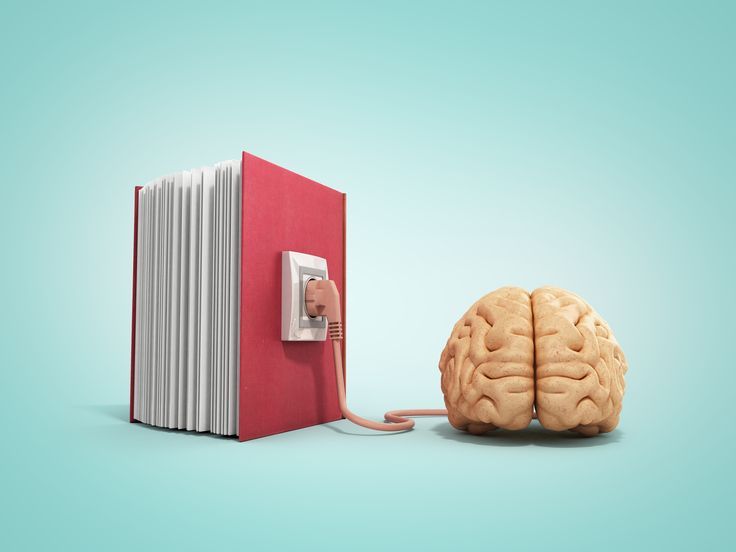
Memory games have long been recognized as powerful tools for cognitive enhancement. Recent research in neuroscience and psychology has revealed compelling evidence about how these games can significantly improve various aspects of brain function, from working memory to long-term retention.
The Science Behind Memory Training
When you engage in memory games, your brain undergoes a process called neuroplasticity. This refers to the brain's ability to reorganize itself by forming new neural connections. Studies have shown that regular memory training can increase the density of gray matter in the hippocampus, a region crucial for memory formation and spatial navigation.
Memory games activate multiple brain regions simultaneously. The prefrontal cortex, responsible for executive functions like planning and decision-making, works in conjunction with the hippocampus to process and store information. This cross-regional activation strengthens the connections between different brain areas, leading to improved overall cognitive performance.
Benefits of Regular Memory Game Practice
Regular practice with memory games offers numerous cognitive benefits:
Enhanced Working Memory
Working memory is your brain's ability to hold and manipulate information temporarily. Memory games challenge this system by requiring you to remember patterns, sequences, and locations. Over time, this practice increases your working memory capacity, making it easier to handle complex tasks in daily life.
Improved Attention and Focus
Memory games demand sustained attention and concentration. As you practice, you develop better focus and the ability to filter out distractions. This enhanced attention span translates to improved performance in academic, professional, and personal settings.
Faster Information Processing
Regular memory training increases the speed at which your brain processes information. This improvement comes from the strengthened neural pathways that develop through consistent practice. Faster processing speed means you can make decisions more quickly and efficiently.
Better Pattern Recognition
Memory games often involve identifying patterns and relationships between different elements. This practice enhances your ability to recognize patterns in real-world situations, from problem-solving to learning new skills.
Long-Term Cognitive Health
Beyond immediate benefits, memory games contribute to long-term cognitive health. Research suggests that engaging in mentally stimulating activities, including memory games, can help maintain cognitive function as you age. This may reduce the risk of age-related cognitive decline and conditions like dementia.
The key to maximizing these benefits is consistency. Just as physical exercise requires regular practice to see results, cognitive training through memory games needs to be a consistent part of your routine. Aim for at least 15-20 minutes of memory game practice several times per week.
Integrating Memory Games into Your Routine
To get the most out of memory games, consider these strategies:
- Start with easier games and gradually increase difficulty as your skills improve
- Practice regularly - consistency is more important than duration
- Challenge yourself with new types of memory games to work different cognitive skills
- Track your progress to stay motivated and see improvements over time
- Combine with other activities like physical exercise and social interaction for optimal brain health
Conclusion
Memory games are more than just entertainment - they are powerful tools for cognitive enhancement. By engaging in regular memory training, you can improve your working memory, attention, processing speed, and overall brain health. The science is clear: your brain is capable of growth and improvement at any age, and memory games provide an effective and enjoyable way to achieve this.
Start your cognitive enhancement journey today with IQ Boost Platform's memory puzzle games. Track your progress, challenge yourself, and watch as your cognitive abilities improve over time.